
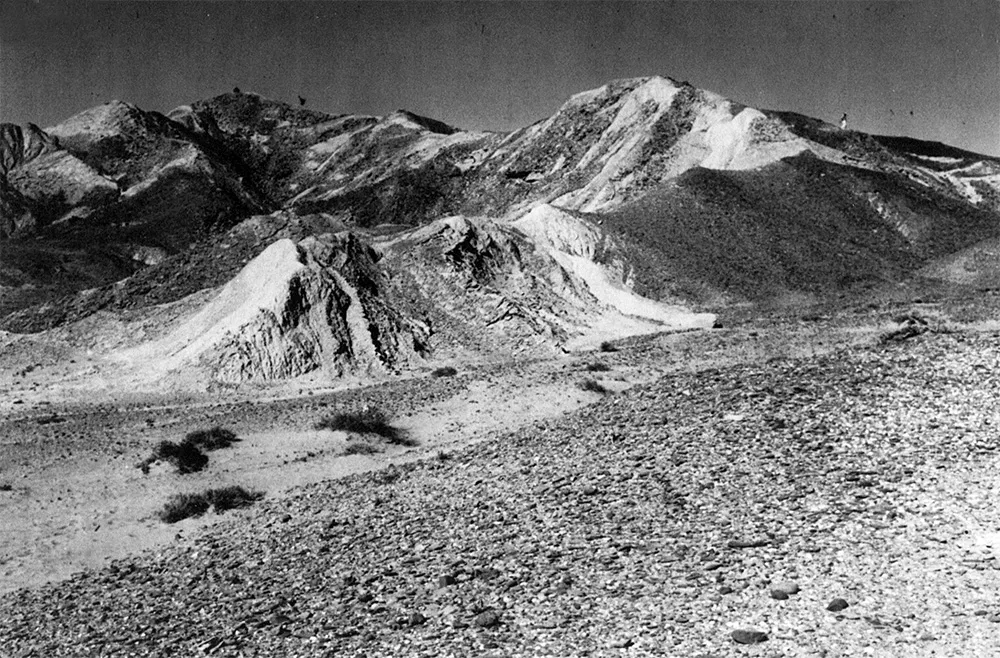
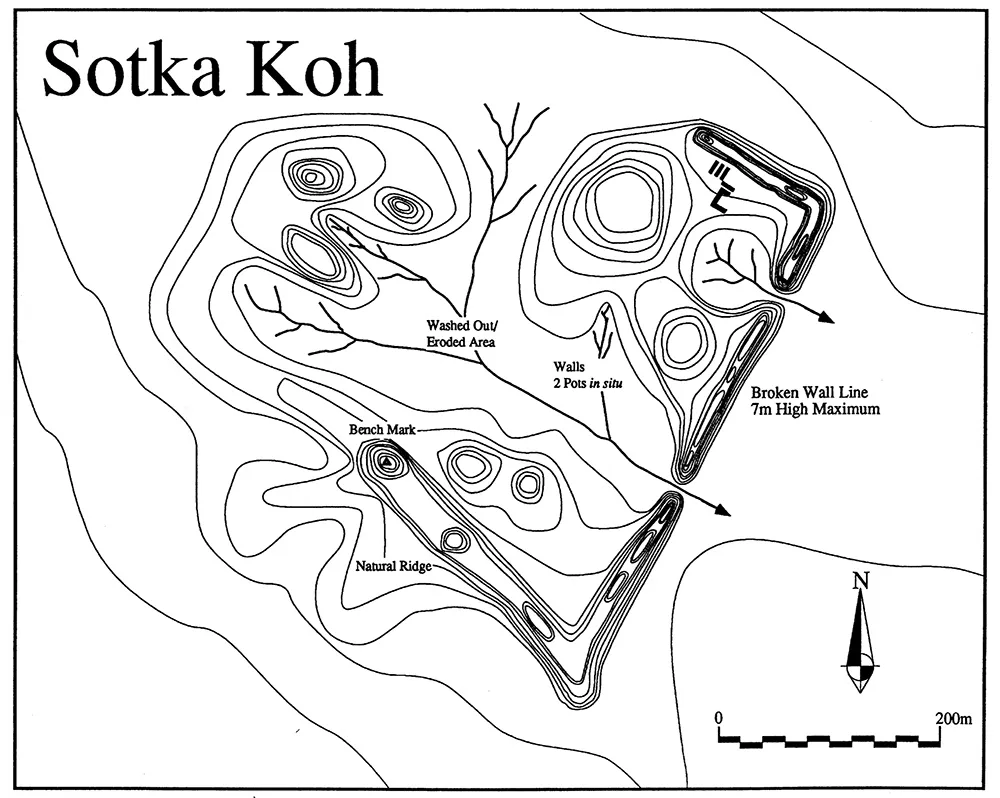
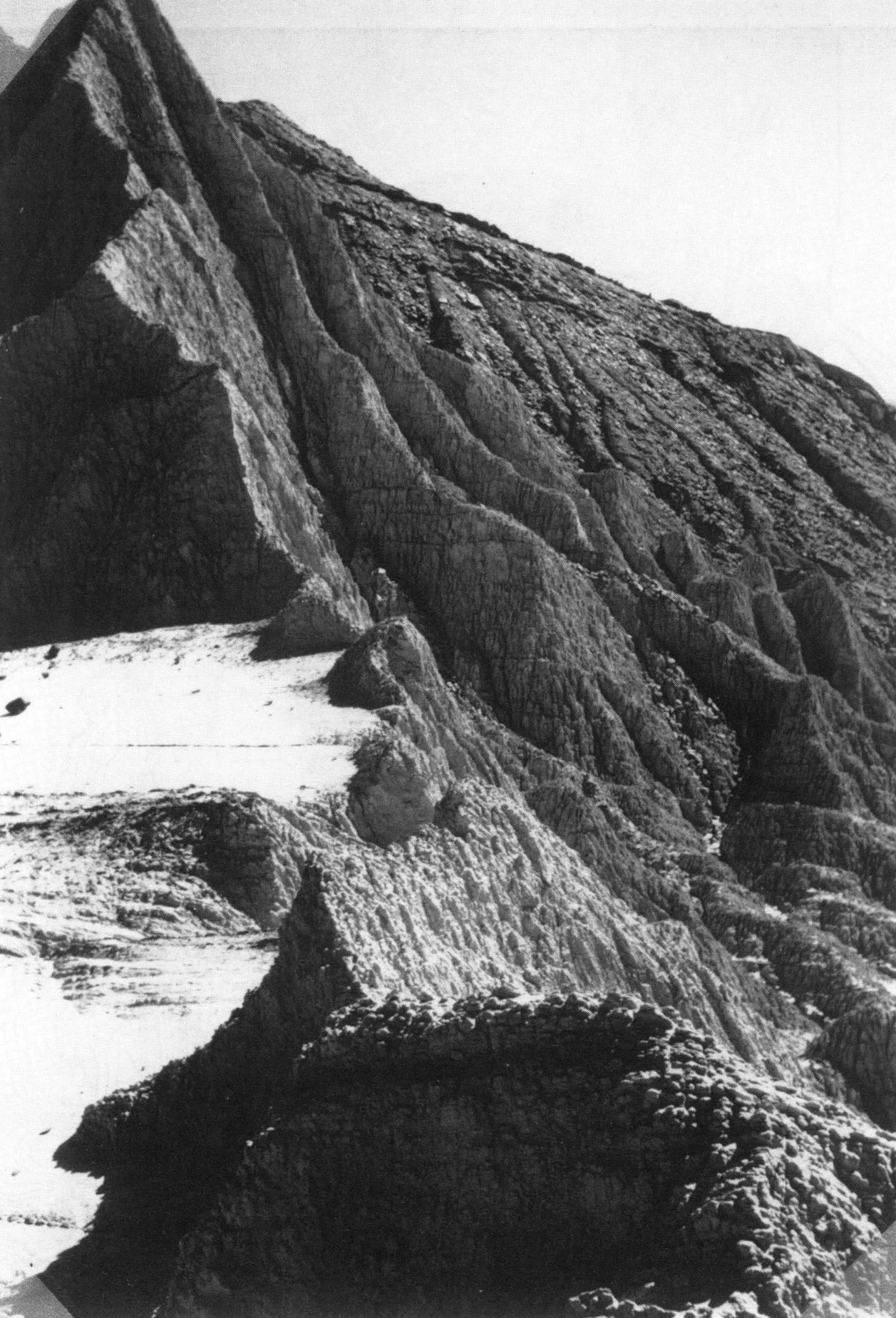
"We drove eastward for another half mile into the Shadi Kaur Valley. There the trail just disappeared. After winding througha mosaic of sand hills, we came to the service road connecting Pasni with a new water-pumping station. But the station marked the end of that road too, so we drove cross-country for two or three miles until we came to the place called Sotka Koh. Our guide had told us that a large archaeological site was there. And, indeed there was a major site, similar in overall appearance to Sutkagen Dor, with sharply rising, natural rock ridges forming a large enclosure covered with distinctive Harappan sherds (figure 18; plate 59 [Image 2 above]). At last we had made a significant discovery relating to the Harappans," wrote George F. Dales and Carl P. Lipo in a memoir about a trip in 1960 along the coast of Balochistan, searching for ancient Indus remains [citation below].
Kaiser Tufail's article is a recent update to this discovery of Sotka Koh, with a comprehensive introduction to the site's possible role in trade, the landscape and how that has changed across the millennia, a note on Meluhha and more. Illustrations from Google Earth and the author's own visits to this remote site over the years round out the article: "I was successful in finding the site after several abortive attempts, and between 1994 and 2004, had the opportunity to visit it several times. These visits were limited to topographic surveys of the site, as well as photography of visible foundations of buildings, compound walls, and potsherds scattered by tens of thousands all over the place. The following account of Sotka Koh is based on my personal observations," writes Tufail (p. 5). His article elegantly connects the archaeological data from the Makran coast to wider patterns of Indus Valley trade and societal organization.
Sotka Koh was possibly crucial for the movement of high-value goods via convoys and riverine routes. Maritime trade mainly involved Meluhha (Indus Valley) ships visiting Sumer and Akkad ports in what is now Iraq or ancient Mesopotamia. Exports included carnelian, lapis lazuli, ivory, cotton, and timber, while imports probably featured copper, marine shell, dates, incense, olive oil, wool, and leather. The outpost, surveyed by Kaiser Tufail and other archaeologists, features foundations of 50–70 buildings, open-pit pottery ovens, and distinctive Mature Harappan ceramics. The absence of toys and personal items may suggest a utilitarian, non-family environment. The site is at risk from recent development and local settlement, signaling urgent need for legal conservation.
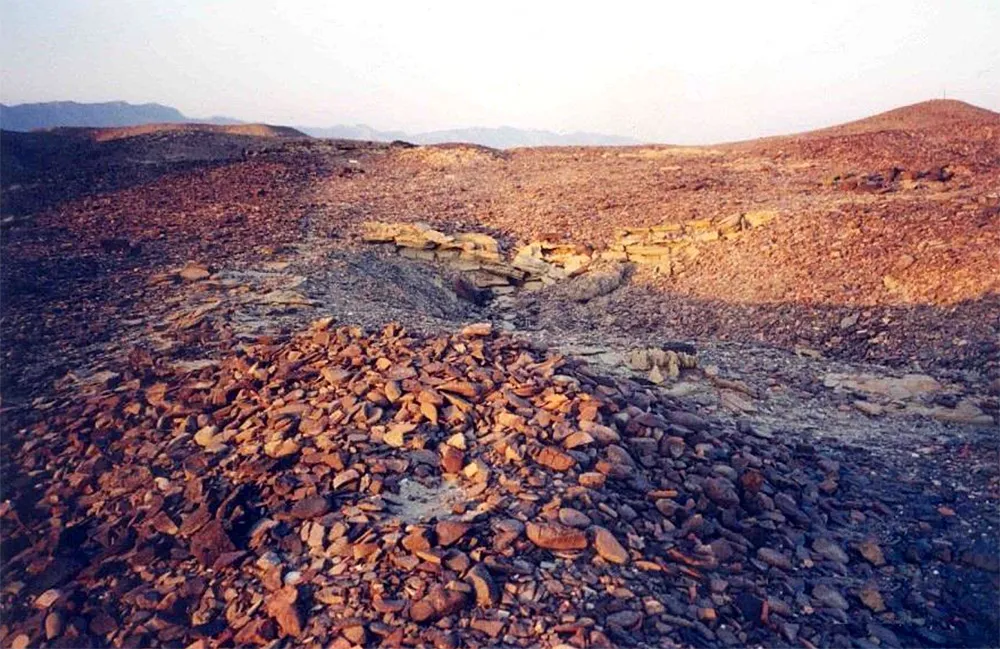
One wonders about these scattered Indus outposts, what they were like. Evidence that Dales also picked up on suggest a mud-brick wall once surrounded part of the site, much like better-preserved craft outposts discovered in recent decades in Gujarat for example. No real excavations have been done here, so we don't quite know its importance and so much seems to have been eroded over time. Tufail presents the evidence for why it was so much closer to the coast 4,000 years ago. One day, a map of this coast line around 3000 BCE when the trade started to grow between the Indus and Mesopotamian valleys will be a great boon to archaeologists – if evidence from sites like Sotka Koh does not disappear first. Perhaps then we can also start answering questions like why were there two coastal trading posts (Sotka Koh and Sutkagen Dor) within such proximity? Was one abandoned due to environmental change or disaster? How important were these land routes compared to sea trade connections?
Images:
1. Sotka Koh: Harappan site north of Pasni [George F. Dales]
2. Plan of Sotka Koh [George F. Dales]
3. Sotka Koh: Natural ridge along southern edge of site; covered with Harappan sherds [George F. Dales]
4. Portion of compound wall running across centre of the picture. Note potsherds strewn all over. [Kaiser Tufail]
First paragraph quote from Explorations on the Makran Coast, Pakistan A Search for Paradise, by George F. Dales and Carl P. Lipo, No. 50 Journal of the Archaeological Research Facility University of California at Berkeley, 1992.