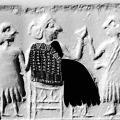
A closer look at the mysterious Kulli culture of Balochistan that both pre-dated and was contemporaneous with ancient Indus culture, and apparently was part of an elaborate trading network that stretched west as far as the Jiroft culture in Iran. >
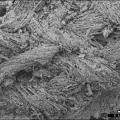
The study of archaeological textiles produced from plant crops in South Asia has advanced significantly in the past decade as a result of archaeo-botanical studies of seed remains and analyses of fibers. >
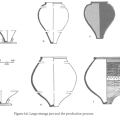
Following a brief discussion of the regional and inter-regional contexts in which Harappan pottery production took place, focus is placed on recent excavations at Harappa for the purpose of providing an introduction to the project with respect to patterns of technology and the organization of production. >
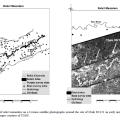
The landscape and mapping project around the now dry riverbed of the Beas river has cast important light on how ancient riverine settlements and environments interacted with an urban center like Harappa. >
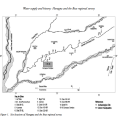
A paper examining and interpreting climate models and the history of water supply as it pertains to the Indus Valley civilization (including dramatic changes in precipitation and shifts in the Ravi River among the rerouting of other streams and tributaries). >
An article on the examination of gender (and gender theory) in Southwest Asian history. In addition to examining a number of theories concerning the interpretation and analysis of gender and its affects on the culture as well as the residual affects which can be traced in that which remains of the … >
"What were the limits of the known world to the people that inhabited this region during the long prehistory for which we have evidence? What changes did they and their successors experience? What more can we say about the lure of distant lands?" >
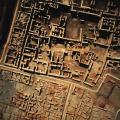
"The theme of this volume has forced us to consider and grapple with what activities occur at night and how that can be applicable to the archaeological record of the Indus civilization. In doing so we have focused on water and sewage system maintenance, a traditional nighttime activity of the modern world, to demonstrate how the common spaces and activities of maintenance would have constructed a shared sense of belonging for participants and/or imposed shared identities upon them by outside viewers," write the authors. >
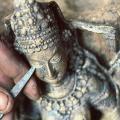
"The reconstruction of Puabi fully adorned provides insights into the fabric that lay beneath the sumptuous ornaments. The queen’s spectacular accessories, though important, have diverted our attention away from the cloth that lay beneath the eye-catching ornaments, which deteriorated (or de-materialized) long ago and so has been mostly invisible to us in the present day." >