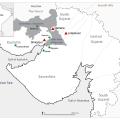
The authors take on the complex question of how Harappan or Indus culture made its presence felt in Gujarat from about the middle of the third millennium through the decline of Indus civilization six or seven hundred years later. How did Indus traditions as expressed in material culture and the manufacture of these objects relate to what we see in Indus cities like Mohenjo-daro and Harappa? >
An important paper - given the painstaking analysis of data - which shows just how careful one has to be in attributing the demise of the Indus civilization to climate change. "A thorough accounting of how Indus peoples were impacted by—and may have adapted to—climatic fluctuations at the end of th… >
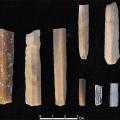
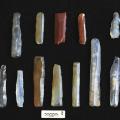
The intriguing question this paper takes on is whether or not chert blade (also known as flint, used for lighting fires) production could have taken place here, 500 km as the crow flies from the Rohri Flint Quarries, a massive site with evidence for mining going back hundreds of thousands of years and covered in detail by numerous scholars. >
A solid foray into the question of what the ancient Indus people, at least in Gujarat, cooked and ate, and how that might have changed after the civilization seems to have declined. Using some of the latest techniques, in particular by looking for both plant and animal residues in the same analyses… >
Lithic (stone) tools were the machine tools of the Bronze Age. This very well-written article shows how "the study of stylistic difference and technological continuities and discontinuities observed in lithic assemblages at ancient sites can provide important new information regarding the spread and development of Harappan Civilization as well as about other regional Chalcolithic cultures." >
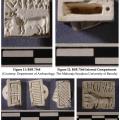
The substantial article examines seven inscribed unicorn steatite seals from the Indus site of Bagasra (Gola Dhoro), in Gujarat. These seals are important for understanding the craft industry of the Indus Civilization. >