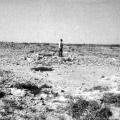
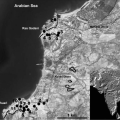
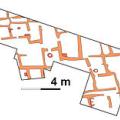
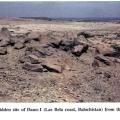
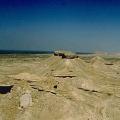
Ras Gadani and Phuari were surveyed in the 2000s by the Italian Archaeological Mission in Las Bela and Lower Sindh. The discovery of a few sites on the two headlands has shown the importance of the Las Bela coast for the archaeology of the northern Arabian Sea. >
Dr. Dupree, a noted expert on Afghanistan, presents a summary of the noted Harappan outpost in the Kunduz region of the Oxus Valley, a site which emphasizes the importance of the lapus lazuli trade. >
The discovery of shell-middens (mounds) in Las Bela, Balochistan, from roughly 8000 BCE raises the possibility of trade across the Arabian Sea during Neolithic times. >
Balakot is one of four known ancient coastal sites in Pakistan dating to the period of South Asia's earliest civilization -- the Harappan (or Indus) -- that flourished in the centuries just before and after 2000 B.C. >
The evidence and theories surrounding three chert end-scrapers which were discovered on the surface of Mohenjo-Daro. Wear patterns as well traces of an organic substance found in the grooves offer insight into the original uses of the artifacts. >
Some 90 miles from Mohenjo-daro, one of the largest archaeological sites in the world is being destroyed after surviving for hundreds of thousands of years. >
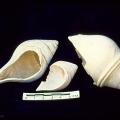
By determining the ancient source areas for shells, we can gain a new perspective on the trade networks and the exploitations of marine resources by protohistoric coastal populations. >
This paper represents as introduction to the work of a contemporary soapstone-cutter living and working between Baluchistan and Sindh. Our interest in his person and profession ultimately resulted from the involvement of both the authors since 1982 in the Surface Evaluation Program carries out at M… >
Results from new discoveries of flint sites dating back to the 7th millennium (7000-6000 BCE) suggestive of sea-faring in the Arabian Sea thousands of years before the Indus Civilization. >