Harappa

Harappa, Punjab ancient Indus civilization excavations, figurines, seals and other objects.

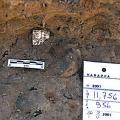
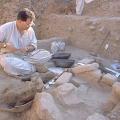
In the rubble were found a number of inscribed pieces, including this intaglio seal, seen here in situ next to one of the radiating mud-brick walls. >

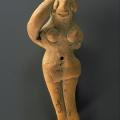
Other female figurines have a double volute headdress that is usually decorated and sometimes painted black as well. Female figurines are usually depicted standing with their legs pressed together all the way to the feet and sometimes have their han… >

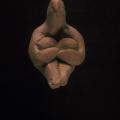
Seated male figurines may have their knees drawn up tightly to their chests. While some have facial features and headbands and/or hair, many have featureless faces and no ornamentation. Approximate dimensions (W x H x D): 3.6 x 4.9 x 3.0 cm. >

Other depictions of wild animals include deer figurines with pronged antlers. Deer bones found at Harappa may indicate that deer were hunted. Approximate dimensions (W x H(L) x D): 3.7 x 10.0 x 6.0 cm. >

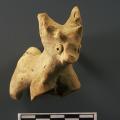
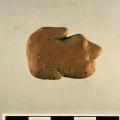
Dogs are also depicted in playful postures, such as one small dog that seems to be crouching with its tail curving up and onto its back. Approximate dimensions (W x H (L) x D): 1.9 x 3.3 x 2.1 cm. >

I currently work as a forensic anthropologist and archaeologist for the U.S. government. I am also the Assistant Field Director of the Harappa Archaeological Research Project (HARP) in central Punjab, Pakistan. Between 1992 and 1995, I studied vario… >
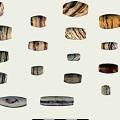

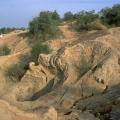
This landscape on the eastern side of Mound AB was the focus of excavations during the 1990s. Some of the earliest Indus seals and button seals were found in this area in 1996 and 1997, and it is providing numerous clues to the development of early … >

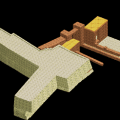
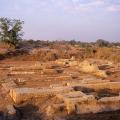
The structures located at the southeastern corner of Mound E consists of a complex of massive baked brick/mud brick walls and baked brick drain complex. This series of structures is set between the southeastern corner of the mud brick city wall of M… >