During the past two decades a variety of archaeological research projects focused on the Indus civilization have made it possible to refine earlier models regarding the origin and character of this distinctive urban society. >
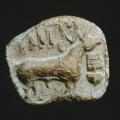
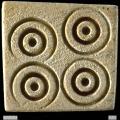
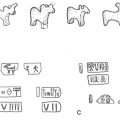
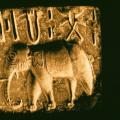
This paper examines the nature of Indus seals and the different aspects of seal iconography and style in order to better understand their overall role in the Indus civilization. >
The purpose of this article is not to present a summary of all of the major discoveries made in the last 55 years, but rather to highlight those that have resulted in major shifts in research paradigms and interpretive frameworks. >
Passed from generation to generation as heirloorns, many beads link the past to the present, and over time, such antique beads gain incredible value because of their historical significance and in some cases, spiritual powers. >
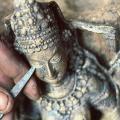
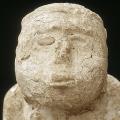
An exhibition being held in New York and Madison, Wisconsin, in 1998 on the representational art of the Indus Valley reveals a highly developed artistic tradition with many styles and techniques of production. >
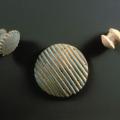
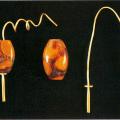
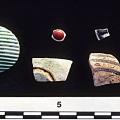
A brief discussion of the methodologies needed for the study of Indus ornaments is presented along with examples of how Indus artisans combined precious metals, stone beads, shell and faience to form elaborate ornaments. >
Based on recent excavations at Harappa, it is possible to determine that square seals with animal motifs (such as the elephant) and possibly the short horned bull are among the earliest form of seal with writing. >