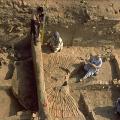
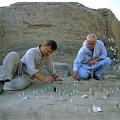
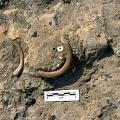
Jonathan Mark Kenoyer excavating and sampling the sediments associated with the HARP-excavated platform, which was partly robbed of baked bricks during the Harappan period itself (Trench 43). Pottery found under the platforms permits them to be assi… >
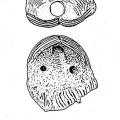
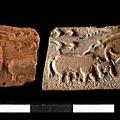
View of the reverse of the elephant seal (H2000-4474/8994-01) from the Kot Diji phase levels, shows manufacturing marks and traces of a perforated knob or boss that is characteristic of Early Harappan seals. >
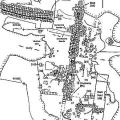
Plan view of Trench 39N Harappa phase levels with locations noted for some finds including the ring stones, terracotta beads, and sandstone beads. The baked brick drain (Feature 8) probably dates to sometime in Period 3B (ca. 2400-2200 BC), whi… >
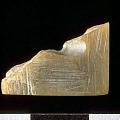
Although neither of these specific molded terracotta tablet pieces comes from Trench 11, four less well preserved examples from the same mold(s) were found in debris outside of the perimeter wall in that area, clearly establishing a second half … >
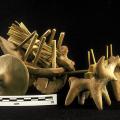
Terracotta figurines have long been considered toys, often without question. Other objects such as carts, wheels, and charpoi (cots) made of terracotta at a similar scale may reinforce this interpretation for at least some of the terracotta figurine… >
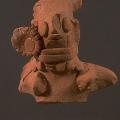
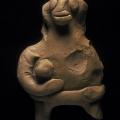
Although most Indus Civilization female figurines are quite curvaceous, some "fat" female figurines are also found. These are often hollow, but sometimes solid. Like other Indus female figurines, some of these "fat" figurines are holding infants at … >