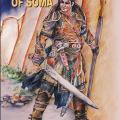
This is the story based on the main event within the seventh book of Rigveda. It is the story of an epic battle between Sudas of Bharatas and Cayamana of Anus leading confederacy of ten disgruntled k… >
It spreads over an area of more than a million sq km, an area much bigger than the Mesopotamian and the Egyptian Civilizations which are famous for their sepulchral splendor. Though technologically innovative, the Indus Civilization in marked by a modesty and the functionality of its architecture and artifacts. >
This superb catalogue is available below as a free PDF (6.6 MB), and is described in greater detail in this blog post An Awesome Indus Exhibition Catalogue. >
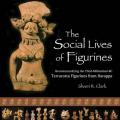
Papers of the Peabody Museum of Archaeology and Ethnology, Harvard University, vol. 86. Of all the untapped veins to mine in ancient Indus studies, none may be as rich as the thousands of figurines excavated from all sites. >
There is so much going on in DNA studies – even if pre-figured by linguistic studies – that having a solid guide to stitch it all together, including papers that landed with a giant thud in 2018, would be so very, very nice. Someone who could put it together for the layman or intelligent observer who finds it hard to sort through headlines and the latest pronouncements (and simplifications). >
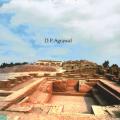
At the zenith of its power and prosperity, Harappa is a highly refined urban conglomerate in the Indus Valley, visited by trade caravans and travelers from faraway lands. The city’s sense of organisa… >
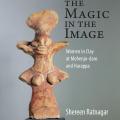
Do the many female figurines at Indus sites justify the belief that the worship of a "mother Goddess" was prevalent then? One of India's most distinguished archaeologists offers a contrary viewpoint in this deeply informed, multi-faceted analysis of these figurines. >
Being an Account of Archaeological Excavations at Harappa carried out between the Years 1920-1921 and 1933-34 Results from early excavations at Harappa. >
Walking with the Unicorn is an extraordinary volume and tribute to Jonathan Mark Kenoyer and his profound and extensive impact on the field of ancient Indus studies. Contributors include some 80% of the world's leading ancient Indus scholars who contributed some 45 illustrated articles. >