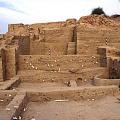
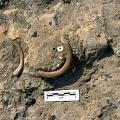
Kot Diji Phase (3300-2600 BCE) related sites and objects. This pre-ancient Indus culture is named after the site of Kot Diji on the east bank of the Indus River in Khairpur province, Sindh, and was excavated between 1955 and 1957.
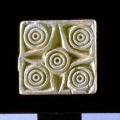
On this Kot Diji phase steatite button seal from Harappa (H2000-4495 / 9597-01), traces of blue-green glaze can be seen (upper center and left center). Similar seals have been found at other Kot Diji period sites and even in distant Central Asia. >
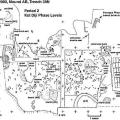
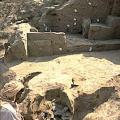
Plan view of Trench 39N Kot Diji phase levels (Period 2: 2800-2600 BC) with locations noted for major finds: sealing, elephant seal, inscribed sherds, limestone weight. This area appears to have been a street running between mud-brick structures. Ha… >
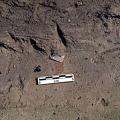
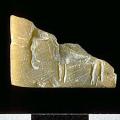
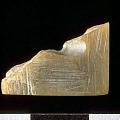
Along the eastern edge of the Kot Diji phase street on Mound AB at Harappa, a broken unfinished steatite seal was discovered in 2000 (close-up in 46 and 47). >
Excavations in 1996 revealed two Period 2 small kilns for making figurines and bangles, as well as preserved floors with Kot Diji style pottery, beads, and figurines >
Obverse of an unfinished elephant seal (H2000-4474/8994-01) in steatite from the Kot Diji phase levels at Harappa. This is the earliest seal with an elephant motif known from the region and may have been a prototype for later Indus seals. >
View of the reverse of the elephant seal (H2000-4474/8994-01) from the Kot Diji phase levels, shows manufacturing marks and traces of a perforated knob or boss that is characteristic of Early Harappan seals. >
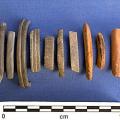
Kot Diji phase terracotta bangles include many styles and incised and painted decorations. Grey bangles were produced in kilns with a reducing atmosphere and red bangles were fired in an oxidizing atmosphere >
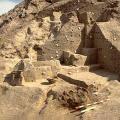
Overview of Harappa Mound AB, Trench 39N, showing the Kot Diji phase levels in the foreground and the Harappa phase levels above, beginning with a baked brick drain (on the far left) and ending with the brick wall that can be seen just behind an… >