Archaeologists often assume that metals like bronze replaced the need for stone tools, but is this really the case given the evidence in these two areas not to mention select Mediterranean regions? In the Indus region, what was the use of these tools given their limited presence in Mohenjo-daro and Harappa? >
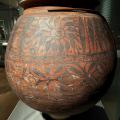
"Jar painted with birds. 2600-1900 BC, Terracotta with red slip and black painted decoration," is what the unvarnished description at the Museum of Fine Arts (MoFA), Boston reads; in truth this is one of the largest and most richly painted ancient Indus pots ever found. >
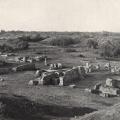
We are delighted to publish a new set of over 50 photographs from Daya Ram Sahni's second season at Harappa in 1923-24, before he or anyone knew about the ancient Indus civilization. Unearthing the Mysteries of Harappa is unique contribution to Indus archaeology curated by Dr. Nadine Zubair with contemporary commentary by Dr. Jonathan Mark Kenoyer. >
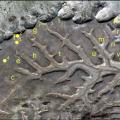
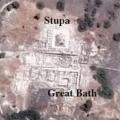
Drs. Dennis Frenez and Massimo Vidale, two leading Indus scholars discuss the layout and features in Mohenjo-daro, including the so-called "Little Great Bath" and Indus water symbolism. Interesting conjectures around, for example, structures around trees in the city, as well as some of the more interesting houses in the city's HR-A area, including Marshall's House VIII that suggests some houses endured, with changes, for centuries. >